
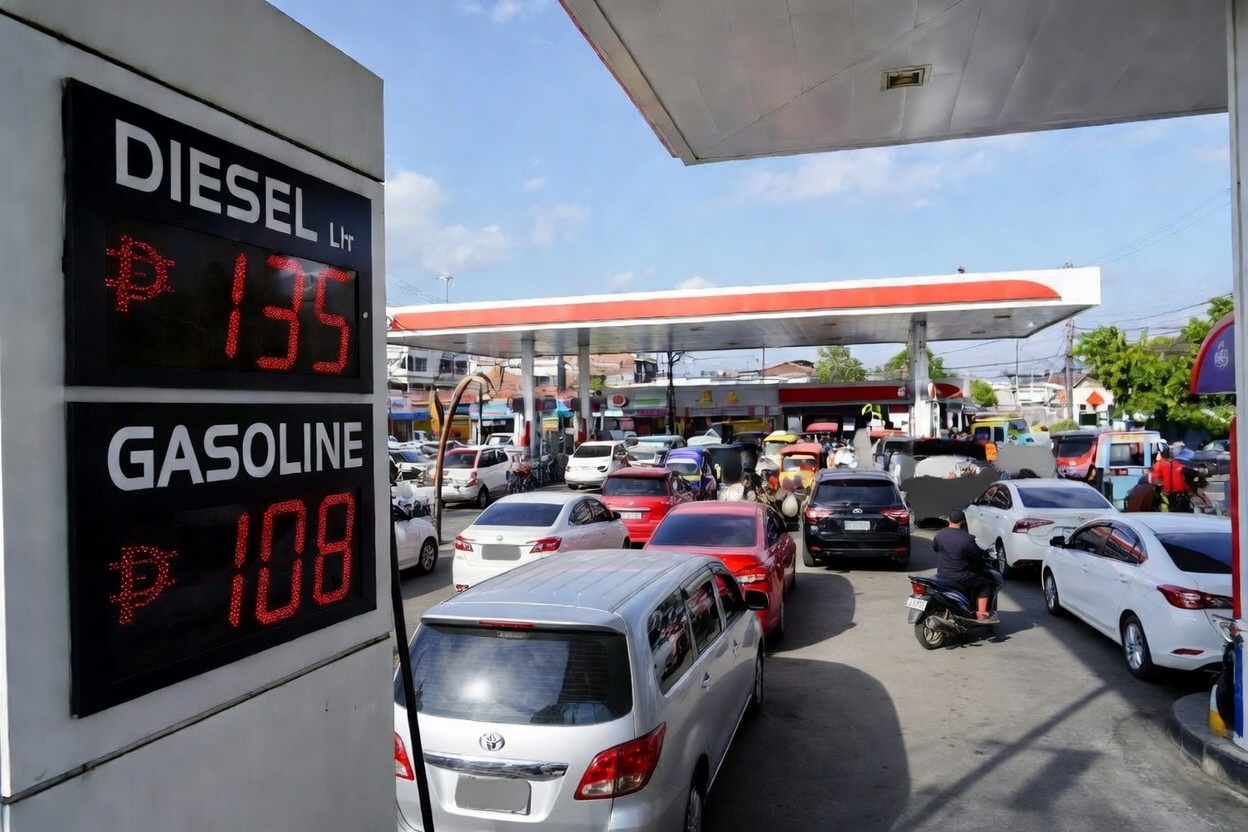
Pampanga households are feeling the pinch at gas stations and wet markets as the 2026 Iran conflict disrupts 20% of global oil supply through the closed Strait of Hormuz. With the Philippines importing 98% of its crude, the ripple reaches Clark commuters, NLEX users, and farmers hauling produce from Magalang and surrounding towns. President Marcos confirms crude stocks will last until June 30, while the government taps ₱20 billion from the Malampaya fund for emergency purchases. Here’s the clear breakdown for Kapampangan families.
Why prices are climbing
- 98% import dependency
The country sources 98% of its oil needs from abroad, mostly the Middle East. When tankers face delays or rerouting around the Strait of Hormuz, landed costs rise fast. That directly pushes up pump prices at stations along the NLEX, in Clark, and across Pampanga—hitting jeepney operators, delivery trucks, and private motorists alike. - 45-day crude oil reserve versus 51-day finished product inventory
As of late March, the Department of Energy reports average crude oil stocks at 45 days—enough to keep local refineries operating until around June 30, per President Marcos. Finished petroleum products (gasoline, diesel, and kerosene already refined) stand at about 51 days on average. The distinction is key: crude feeds the refineries, so any slowdown there tightens supply downstream even if some pump-ready fuel remains in tanks. This gap has already driven diesel past ₱130/L and regular gasoline over ₱100/L at many local outlets. - Government’s ₱20 billion allocation from the Malampaya fund
On March 25, the Department of Budget and Management released ₱20 billion from the Malampaya natural gas fund to the Department of Energy and PNOC. The allocation funds spot-market purchases of crude and refined products from alternative sources such as Russia, India, and China. In Central Luzon, it helps stabilize fuel at Clark International Airport and NLEX-linked depots while supporting quick-response subsidies for farmers and fisherfolk. The Department of Agriculture activated ₱1 billion in parallel aid, with half earmarked for fuel support to keep agricultural transport moving.
NLEX and SCTEX traffic volumes have declined from normal daily averages as higher fuel costs prompt many private motorists to cut non-essential trips or shift to public transport. This has resulted in lighter road conditions for those still driving, but terminals see longer queues and more crowded PUVs. Clark Airport reports some flight adjustments tied to fuel surcharges. Grocery chains in Angeles, San Fernando, and surrounding areas are absorbing part of the transport cost increases, which explains the few extra pesos on rice, vegetables, and basic goods this week.
The situation is a price shock more than an immediate stock-out. The ₱20-billion Malampaya buffer and ongoing procurement from new suppliers buy critical time until fresh shipments arrive. Local LGUs in Pampanga continue coordinating with the private sector on possible relief measures for public utility vehicles. Fill up strategically, consider carpooling or PUVs where practical, and track official DOE updates plus local advisories. The next round of pump adjustments is expected around April 8.
PampangaToday will keep monitoring Clark operations, NLEX status, and fuel price adjustments. Stay informed, drive safe.
Discover more from Pampanga Post
Subscribe to get the latest posts sent to your email.